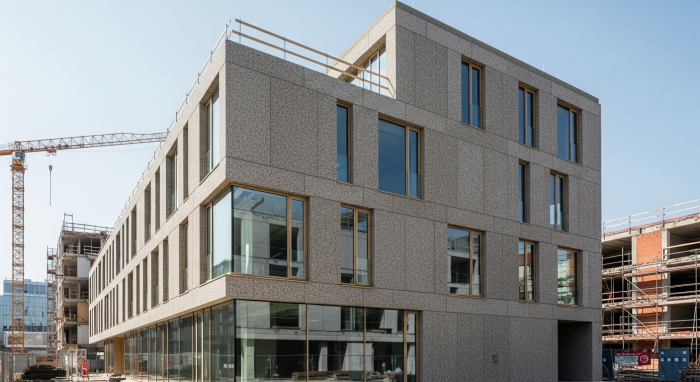
In today’s era of sustainable development, architectural design is no longer only about aesthetics and functionality—it is also about responsibility. One of the most impactful strategies in sustainable architectural projects is the use of recycled concrete, where debris from old buildings is reused as aggregate in new concrete mixtures. This approach not only reduces construction waste but also redefines how architects think about materials in modern design.
What Is Recycled Concrete?
Recycled concrete is produced by crushing demolished building materials—such as slabs, columns, and foundations—and processing them into reusable aggregate. Instead of sending construction debris to landfills, these materials are repurposed as a substitute for natural gravel or crushed stone in new concrete production.
This method is increasingly applied in green building projects and aligns with sustainable frameworks such as LEED (Leadership in Energy and Environmental Design), promoting environmentally conscious architectural design.
The Role of Recycled Concrete in Architectural Design
In contemporary architectural design, material selection influences not only structural performance but also environmental impact. The integration of recycled concrete supports several core principles:
1. Sustainable Material Strategy
By reusing demolition waste, architects reduce the demand for virgin raw materials. This helps preserve natural resources and minimizes quarrying activities.
2. Circular Economy in Construction
Recycled concrete supports the circular economy model—materials are kept in use for as long as possible, reducing overall carbon footprint in architectural projects.
3. Reduced Construction Waste
Construction and demolition waste contribute significantly to global landfill volume. Utilizing recycled aggregates directly addresses this issue within architectural planning.
4. Unique Aesthetic Expression
Exposed recycled concrete surfaces can create a raw, textured aesthetic that complements modern, industrial, and minimalist architectural styles.
Structural and Performance Considerations
From a technical perspective, recycled concrete aggregate (RCA) can be used in:
-
Structural concrete (with proper quality control)
-
Pavements and road bases
-
Non-structural architectural elements
-
Landscape architectural features
While recycled aggregates may slightly affect compressive strength and water absorption, advancements in processing and mix design have significantly improved performance reliability. Many architectural projects now use blended mixtures—combining recycled and virgin aggregates—to maintain structural integrity while enhancing sustainability.
Environmental Benefits in Architectural Projects
The environmental advantages of using recycled concrete in architectural design include:
-
Lower carbon emissions from reduced material extraction
-
Reduced landfill waste
-
Lower transportation energy (when sourced locally)
-
Contribution to green building certifications
In urban redevelopment projects, reusing materials from the original structure also strengthens the narrative of place, giving architectural design a deeper contextual meaning.
Case Inspiration in Sustainable Architecture
Globally, sustainable architecture movements have inspired architects to rethink material reuse. Influences from innovative firms like MVRDV and Herzog & de Meuron demonstrate how material experimentation—including recycled elements—can redefine architectural identity while maintaining structural excellence.
These projects prove that recycled concrete is not a compromise, but rather an opportunity for innovation in architectural design.
Challenges and Solutions
Despite its advantages, the use of recycled concrete in architectural design requires:
-
Proper material testing and certification
-
Consistent aggregate grading
-
Careful mix proportioning
-
Skilled project management
With technological advancements and stronger environmental regulations, these challenges are becoming easier to manage, making recycled concrete a viable mainstream option.
Conclusion
The integration of recycled concrete in architectural design represents a shift toward sustainable, responsible construction practices. By transforming demolition debris into valuable building material, architects can reduce environmental impact while maintaining design integrity and structural performance.
In the future of architectural design, sustainability is not an added feature—it is the foundation. Recycled concrete stands as a powerful symbol of how innovation and environmental awareness can coexist within modern architecture.
Our Service Locations
Bandung and West Java: Bandung Cimahi Sumedang Tasikmalaya Garut Subang Cianjur Sukabumi Ciamis Bogor Cirebon Karawang Cikampek
Jakarta and Surroundings: Jakarta Tangerang Banten Bogor Depok Bekasi
Indonesia: Java Bali Timor Sumatra Kalimantan Sulawesi Maluku Papua Lombok Flores
With experience in handling various projects in Jakarta and Bandung, we understand the urban character and natural environment in each city, and are able to respond to them with a contextual and classy design approach.
www.rytamautama.com