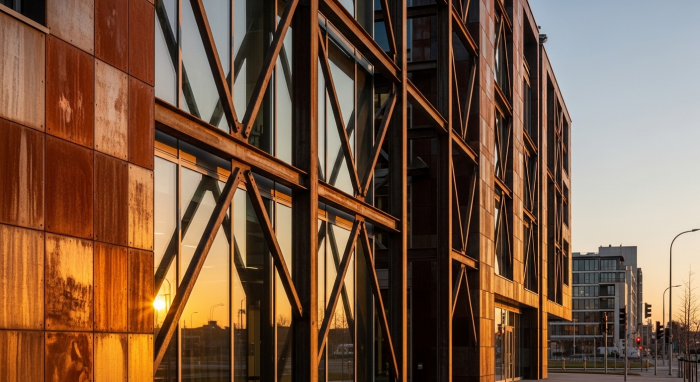
In today’s era of sustainable development, the use of recycled steel and scrap metal has become a powerful strategy in architectural design. As environmental concerns grow and the construction industry faces pressure to reduce carbon emissions, architects are increasingly exploring innovative ways to integrate reclaimed materials into modern structures. Recycled steel and scrap metal not only reduce environmental impact but also create bold, industrial aesthetics that define contemporary architectural identity.
Why Recycled Steel Matters in Sustainable Architecture
The construction sector is one of the largest contributors to global carbon emissions, largely due to the production of new building materials. Steel manufacturing, in particular, requires high energy consumption. However, steel is one of the most recyclable materials in the world. By reusing steel from demolished buildings, factories, bridges, or industrial equipment, architects can significantly reduce embodied carbon and construction waste.
Landmark projects such as the High Line in New York City demonstrate how old steel infrastructure can be transformed into innovative public spaces. Similarly, the Tate Modern in London showcases adaptive reuse by converting a former power station into a world-class museum, preserving its industrial steel framework as part of its architectural character.
Structural Strength and Durability
Recycled steel retains the same structural integrity as newly produced steel when properly processed. This makes it ideal for:
-
Structural frames
-
Roofing systems
-
Façade cladding
-
Staircases and railings
-
Bridges and pedestrian walkways
Because steel is strong yet lightweight compared to concrete, it allows for longer spans and flexible design configurations. Architects can create open-plan interiors with minimal columns, supporting modern design concepts focused on space efficiency and functionality.
Aesthetic Value: Industrial and Contemporary Appeal
Scrap metal elements contribute to distinctive architectural aesthetics. Exposed steel beams, corten steel façades, and repurposed metal panels add texture, depth, and character. The natural patina of weathered metal often becomes a design statement, especially in industrial, brutalist, and modern minimalist styles.
Architects may incorporate:
-
Rusted steel panels for dramatic façades
-
Reclaimed metal sheets for feature walls
-
Industrial steel trusses as interior focal points
-
Repurposed shipping containers as modular building units
The Zeitz Museum of Contemporary Art Africa in Cape Town illustrates how industrial structures can be reimagined into sophisticated architectural spaces while retaining their metal core elements.
Environmental and Economic Benefits
Using recycled steel and scrap metal in architectural projects offers multiple advantages:
-
Reduced Construction Waste – Diverts metal from landfills.
-
Lower Carbon Footprint – Recycling steel consumes significantly less energy than producing new steel.
-
Cost Efficiency – Salvaged materials can reduce material expenses.
-
Faster Construction Time – Prefabricated steel components speed up installation.
-
Support for Circular Economy – Encourages material life-cycle extension.
In developing countries and rapidly urbanizing regions, incorporating scrap metal into architectural design can also stimulate local recycling industries and reduce dependency on imported materials.
Design Strategies for Integrating Scrap Metal
To effectively use recycled steel in architecture, careful planning is essential:
-
Conduct structural testing to ensure safety standards.
-
Combine recycled steel with glass, wood, or concrete for visual balance.
-
Apply protective coatings to prevent corrosion.
-
Use modular design systems for adaptability.
-
Highlight rather than conceal recycled materials to celebrate sustainability.
The Future of Steel in Green Architecture
As green building certifications such as LEED and other sustainability frameworks gain prominence, recycled steel is expected to play an even greater role in architectural design. Advances in fabrication technology, such as CNC cutting and digital modeling, enable architects to transform scrap metal into precise, innovative structural and decorative elements.
The integration of recycled steel and scrap metal reflects a broader shift toward regenerative and responsible architecture. By reimagining waste as a valuable resource, architects not only reduce environmental impact but also craft spaces that tell stories of transformation, resilience, and sustainability.
Conclusion
The utilization of recycled steel and scrap metal in architectural design is more than a trend—it is a strategic approach to sustainable construction. Through adaptive reuse, creative innovation, and structural efficiency, architects can transform discarded materials into inspiring built environments. As the demand for eco-friendly architecture continues to rise, recycled steel stands as a symbol of durability, sustainability, and modern design excellence.
Our Service Locations
Bandung and West Java: Bandung Cimahi Sumedang Tasikmalaya Garut Subang Cianjur Sukabumi Ciamis Bogor Cirebon Karawang Cikampek
Jakarta and Surroundings: Jakarta Tangerang Banten Bogor Depok Bekasi
Indonesia: Java Bali Timor Sumatra Kalimantan Sulawesi Maluku Papua Lombok Flores
With experience in handling various projects in Jakarta and Bandung, we understand the urban character and natural environment in each city, and are able to respond to them with a contextual and classy design approach.
www.rytamautama.com